
Features
Wet Bulb Globe Temperature (WBGT) Monitoring System
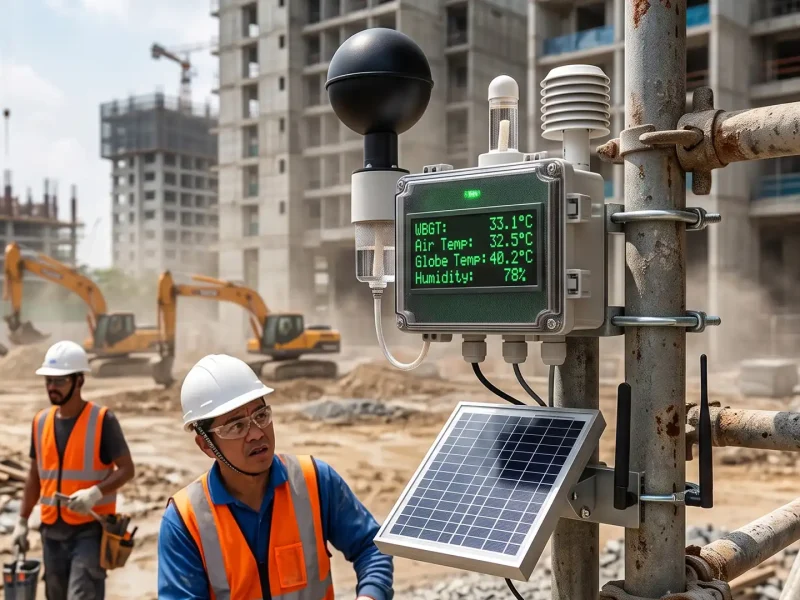
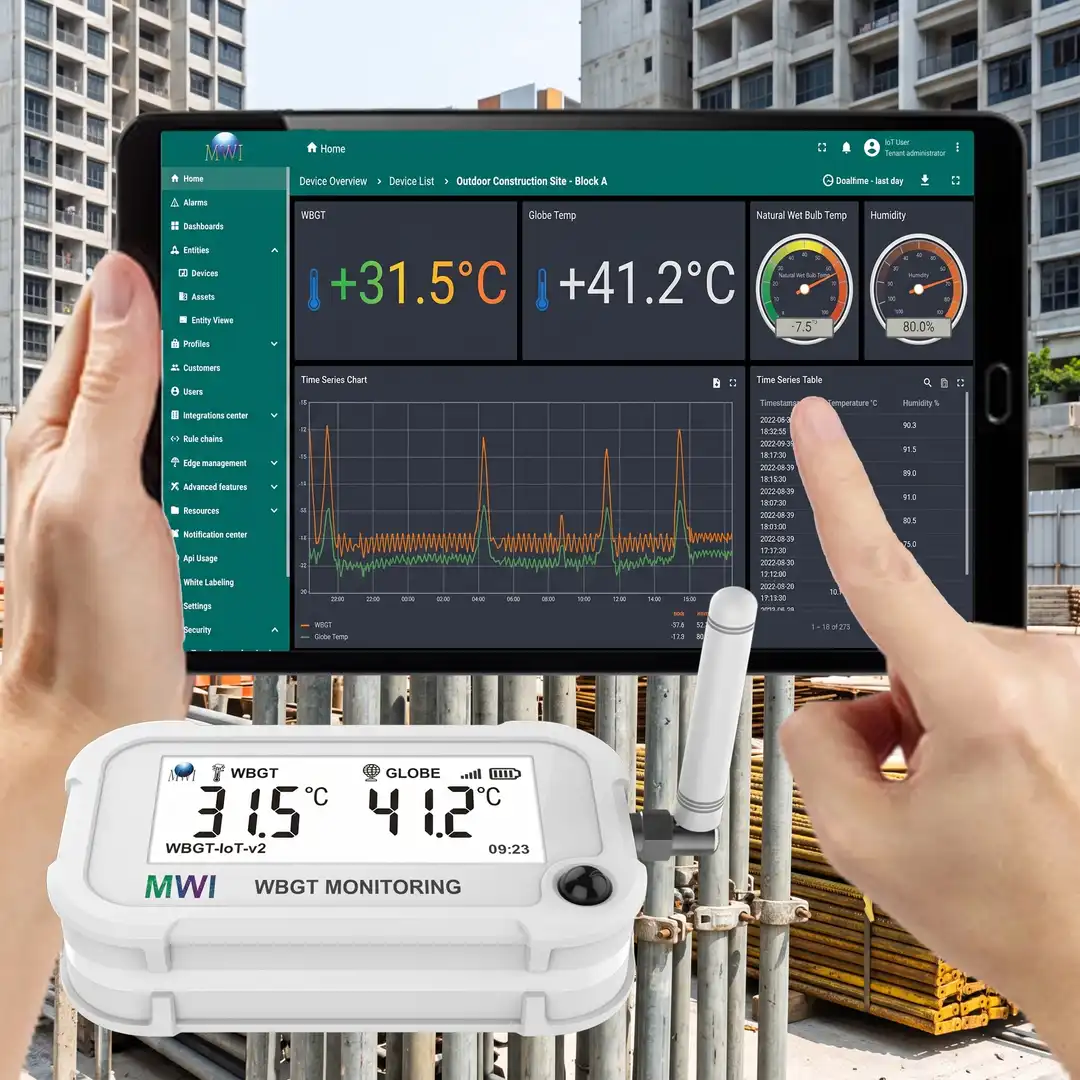
MOM-Compliant WBGT Heat Stress Meter
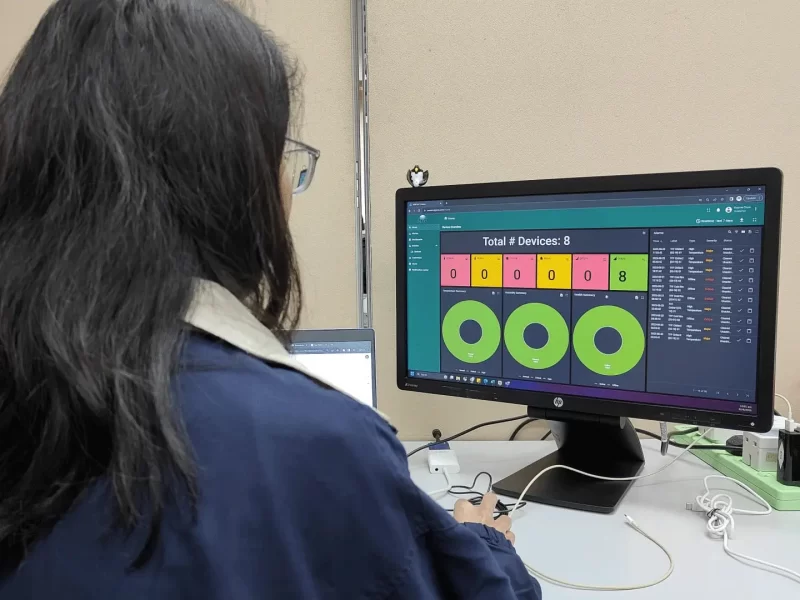
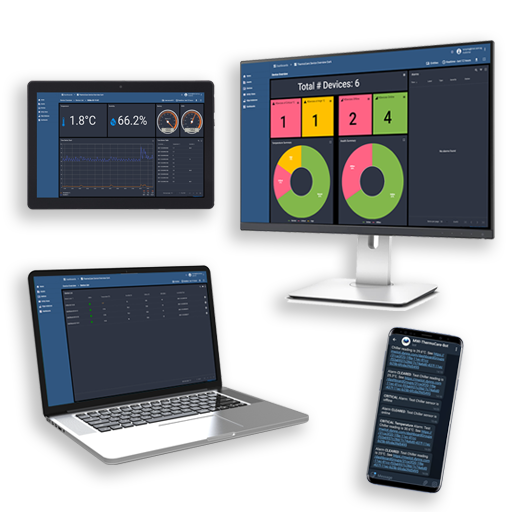
Continuous Monitoring
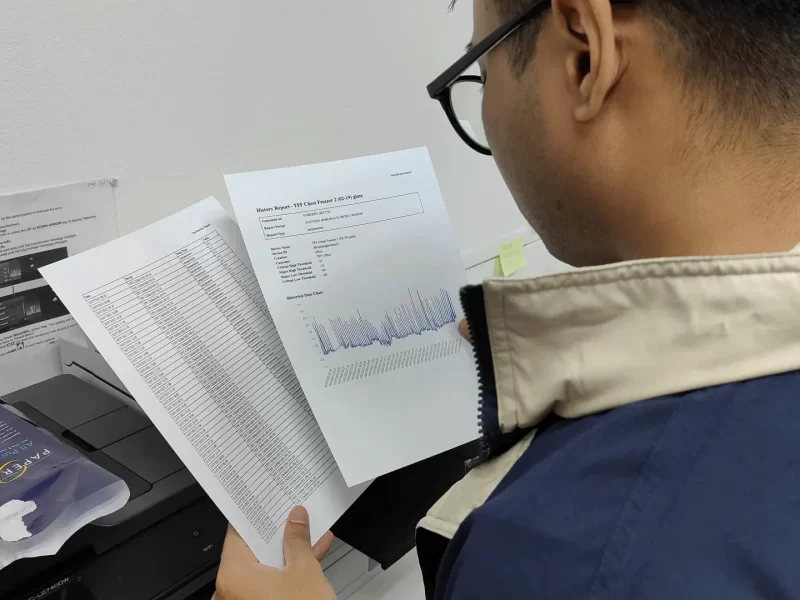
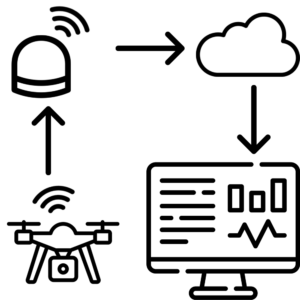
Automated Data Recording
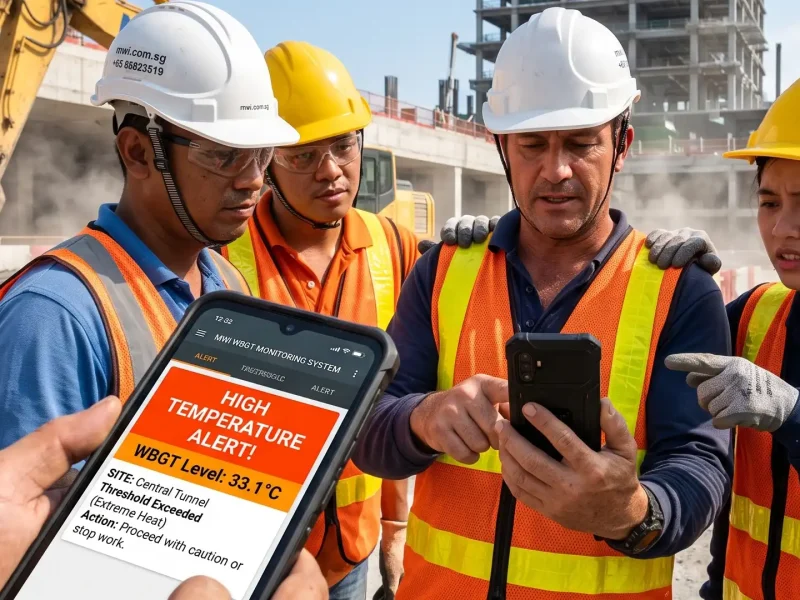
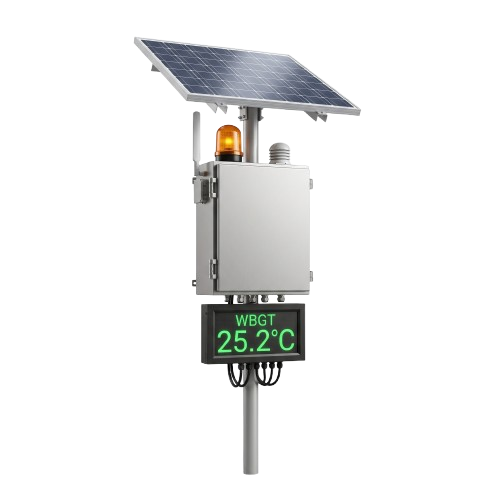
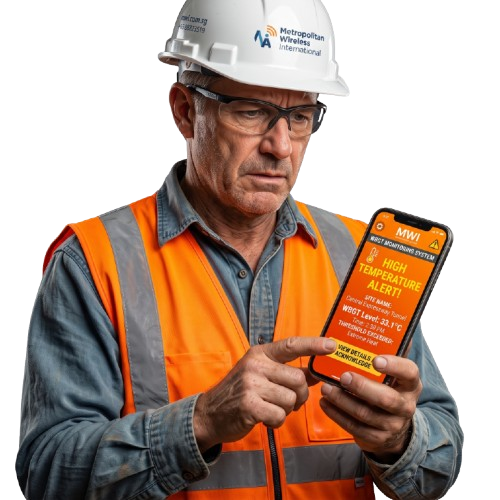
Real-Time Alerts
Remote Visibility
Real-Time Heat Stress Monitoring for Outdoor Worksites
Managing heat stress is an increasingly important workplace safety consideration for construction companies in Singapore.
Under Singapore’s Ministry of Manpower (MOM) heat stress measures for outdoor work, construction sites with a contract sum of S$5 million or more are required to have a WBGT meter on site for localised measurements. Workplaces with outdoor work activities are required to monitor WBGT every hour during work hours, particularly during hotter periods of the day. [1]

Video
Watch our promotional video below!
Benefits

Our systems are provided based on a rental basis. The rental service is all-inclusive, from software to hardware to installation of the system on site. All we need is a GI pipe and ladder at your site!

Our solution is designed to support the mandated regulation for Singapore constructions projects to ensure safety measures are in place for heat stress management based on MOM guidelines.[1]

Ensures the safety of workers on sites by taking immediate remedy actions upon exceeding the safe heat stress index (with our real-time monitoring system) based on MOM guidelines.[1]
FAQ
Construction sites can have changing environmental conditions throughout the day.
A site may have different levels of heat exposure depending on:
- Location within the site
- Direct sunlight and shading
- Building structures and surrounding surfaces
- Wind conditions
- Work activities
- Time of day
- Weather conditions
For this reason, MOM’s guidelines require WBGT to be monitored hourly during work hours, especially during hotter periods. Construction sites with contract sums of S$5 million or more are required to have a WBGT meter on site for localised measurements. [1]
WBGT readings are used to guide heat-stress management measures such as hydration, rest breaks, rescheduling of work and other interventions.
MOM’s current heat stress measures require outdoor workplaces to monitor WBGT every hour during work hours, particularly during hotter periods.
For construction sites with a contract sum of S$5 million or more, an on-site WBGT meter is required for localised measurements. Shipyards and the process industry are also subject to the on-site meter requirement. [1]
The current MOM framework also specifies WBGT measurement requirements, including:
| Parameter | Range | Resolution | Accuracy |
|---|---|---|---|
| WBGT | 10–50°C | 0.1°C | ±2°C |
| Natural wet bulb temperature | 10–50°C | 0.1°C | ±1°C |
| Globe temperature | 10–60°C | 0.1°C | ±2°C |
| Dry air / ambient temperature | 10–50°C | 0.1°C | ±1°C |
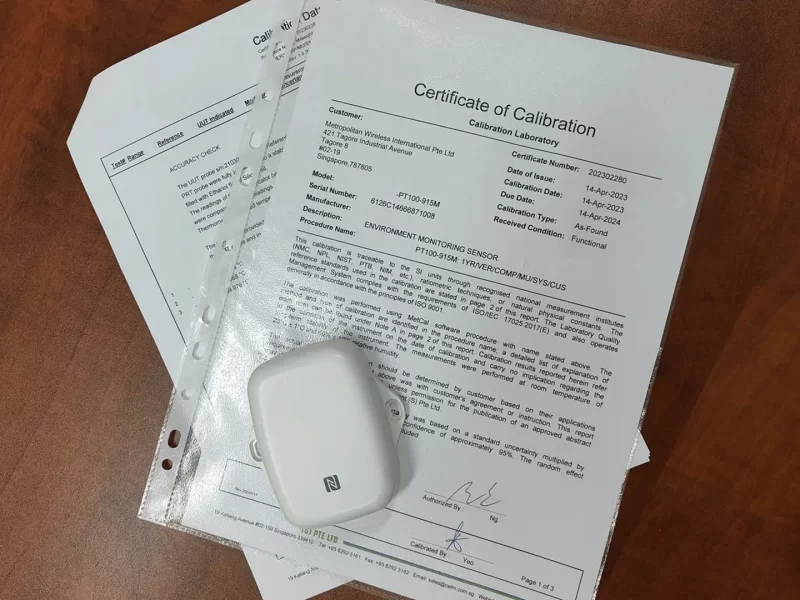
MOM also states that WBGT meters must be calibrated according to the manufacturer’s specifications. Where the manufacturer does not specify a calibration frequency, annual calibration is required. [3]
Important: Companies should always refer to the latest MOM requirements and applicable workplace safety guidance when selecting and deploying WBGT monitoring equipment.
The location and installation of the WBGT meter matter.
MOM recommends that outdoor WBGT measurements be taken at locations representative of heat-stress risk levels at the workplace.
For outdoor monitoring, the meter should:
- Be exposed to direct sunlight
- Not be blocked by buildings or shade
- Be positioned at approximately 1 metre above ground
- Be allowed to stabilise before readings are taken
MOM recommends a minimum stabilisation period of 10 minutes unless the manufacturer’s instructions specify otherwise. At least one outdoor monitoring point should be used, while multiple monitoring points are recommended for larger workplaces. [3]
A connected monitoring system therefore needs to be installed carefully according to the manufacturer’s specifications and the conditions at the site.
MOM requires WBGT to be monitored every hour during work hours, especially during hotter periods of the day. [1]
A WBGT meter measures WBGT at the location where it is deployed. A connected WBGT monitoring system can additionally provide automated data transmission, continuous monitoring, historical records, remote visibility and alerts, depending on the system configuration.
For heavy physical work activity outdoors, MOM requires a minimum hourly rest break of 10 minutes under shade when WBGT reaches 32°C or above. Additional measures apply at higher WBGT levels. [1]
Yes. MOM states that WBGT meters must be calibrated according to the manufacturer’s specifications. If the manufacturer does not specify a calibration frequency, annual calibration is required. [3]
Yes. Multiple monitoring points can be used where appropriate. MOM recommends multiple points of measurement for larger workplaces because environmental conditions can vary across a site. [3]
This page provides general information about WBGT monitoring and Singapore’s workplace heat-stress requirements. It is not legal or regulatory advice. Organisations should refer to the latest information published by the Ministry of Manpower and the Workplace Safety and Health Council when implementing heat-stress management measures.
Related Resources

Click on the blog articles below to learn more!